
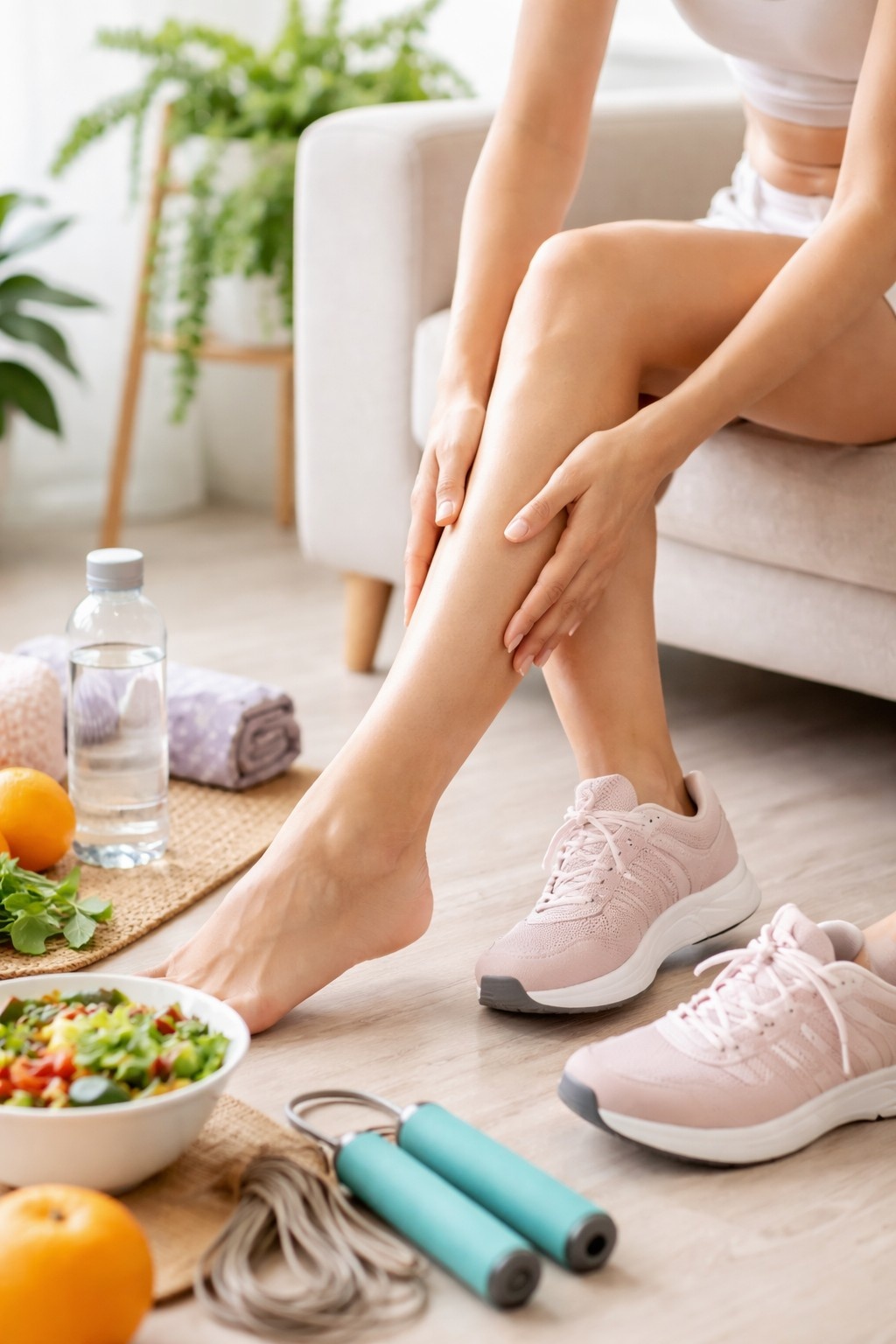
Varicose veins are swollen, twisted veins that usually appear on the legs. They may look blue or dark purple and can cause pain, heaviness, itching, or swelling. While varicose veins are common, especially in adults, the good news is that many cases can be prevented or slowed down with the right lifestyle habits.
This blog explains why varicose veins develop and simple, practical tips that actually work to prevent them, using easy-to-understand language.
What Are Varicose Veins?
Varicose veins happen when the valves inside the veins stop working properly. These valves normally help blood flow upward toward the heart. When they become weak, blood collects in the veins, causing them to enlarge and become visible.
They are most commonly seen in the legs because leg veins work against gravity.
Who Is at Risk of Varicose Veins?
You may be more likely to develop varicose veins if you:
- Stand or sit for long hours (teachers, nurses, drivers, office workers)
- Are overweight
- Are pregnant
- Have a family history of varicose veins
- Do not exercise regularly
- Wear tight clothing for long periods
Knowing your risk helps you take early preventive steps.
Simple Lifestyle Tips to Prevent Varicose Veins
1. Keep Moving Throughout the Day
Avoid sitting or standing in one position for too long.
- Take short walking breaks every 30–60 minutes
- Stretch your legs if your job requires long sitting
- Shift your weight if you stand for long hours
Movement improves blood circulation in the legs.
2. Exercise Regularly
Regular exercise keeps veins healthy and improves blood flow.
Best exercises include:
- Walking
- Cycling
- Swimming
- Yoga
These activities strengthen leg muscles without putting too much pressure on veins.
3. Maintain a Healthy Weight
Extra body weight puts additional pressure on leg veins. Maintaining a healthy weight reduces this pressure and lowers the risk of varicose veins.
A balanced diet and regular physical activity help keep your veins healthy.
4. Elevate Your Legs
Raising your legs above heart level for 15–20 minutes helps blood flow back toward the heart.
- Do this after a long day
- Use pillows while resting or sleeping
This simple habit reduces leg swelling and discomfort.
5. Wear Comfortable Clothing
Avoid tight clothes around the waist, thighs, or legs, as they can restrict blood flow.
Choose:
- Loose, comfortable clothing
- Supportive footwear
- Avoid high heels for long durations
Flat or low-heeled shoes help calf muscles work better.
6. Stay Hydrated and Eat a Healthy Diet
Drink enough water and eat foods rich in:
- Fibre (fruits, vegetables, whole grains)
- Vitamins and minerals
- Low salt (to reduce swelling)
A healthy diet prevents constipation and water retention, both of which can worsen vein problems.
7. Avoid Crossing Your Legs While Sitting
Crossing your legs for long periods can restrict blood flow. Sit with both feet flat on the floor to allow smooth circulation.
8. Use Compression Stockings If Advised
Compression stockings gently support the veins and improve blood flow. They are especially helpful for people who:
- Stand for long hours
- Travel frequently
- Have early symptoms of varicose veins
Always consult a doctor before using them.
When Should You See a Doctor?
You should seek medical advice if you notice:
- Persistent leg pain or heaviness
- Swelling in the legs or ankles
- Skin colour changes
- Itching or ulcers near the ankle
- Visible veins getting worse over time
Early treatment can prevent complications.
Final Thoughts
Varicose veins may develop slowly, but simple daily habits can make a big difference. Staying active, maintaining a healthy weight, and taking care of your legs can help prevent varicose veins and reduce discomfort.
If you notice early signs, do not ignore them. Timely lifestyle changes and medical advice can keep your legs healthy for years to come.