
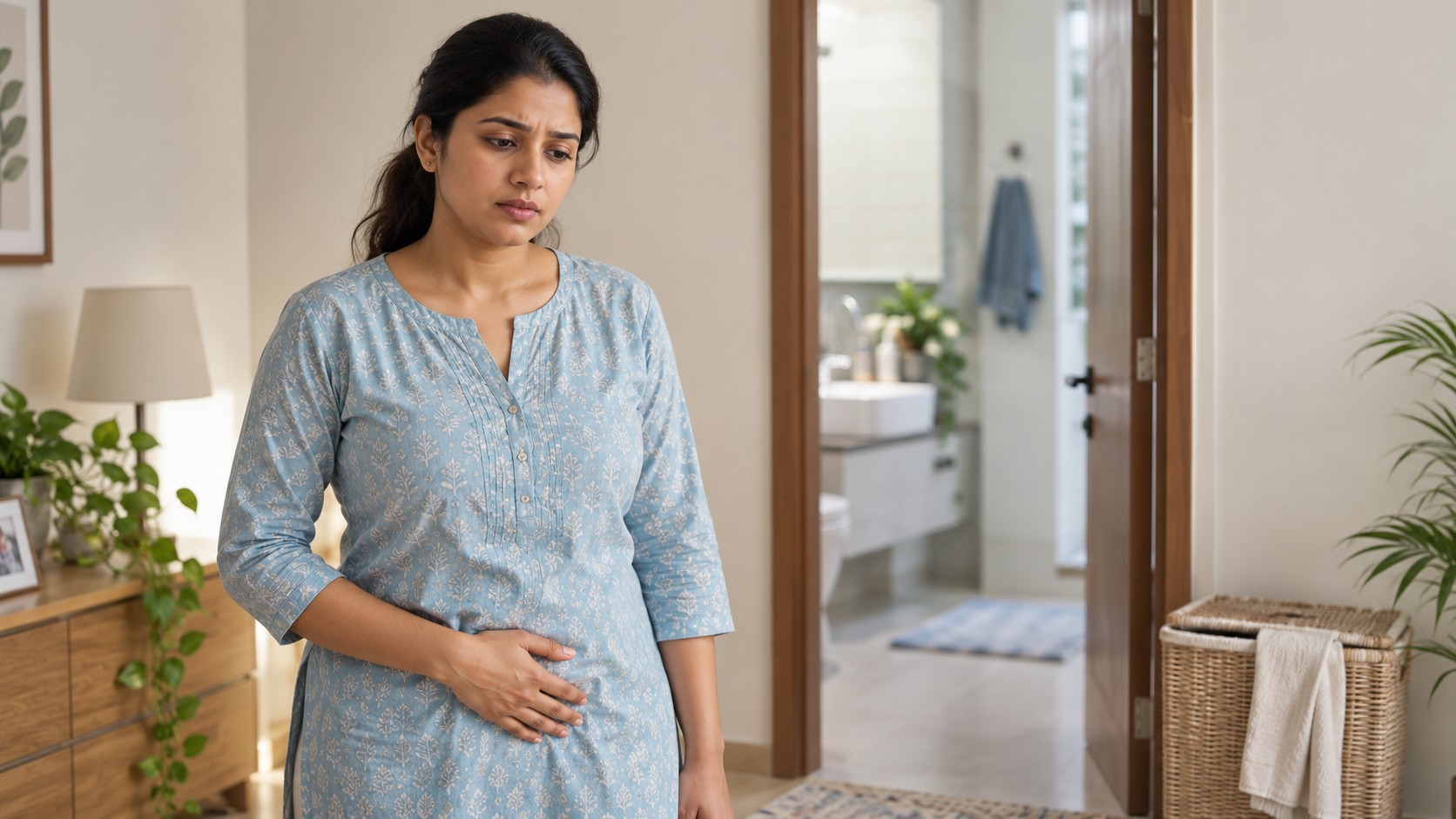
Leaking a small amount of urine while coughing, sneezing, laughing or lifting the baby is common after childbirth. Many women hesitate to discuss it because they feel embarrassed or assume it is an unavoidable part of becoming a mother.
Although postpartum urinary leakage is common, it should not automatically be accepted as permanent. Symptoms may improve as the body recovers, but leakage that continues, worsens or interferes with daily life deserves medical evaluation.
Early guidance can help identify the type of incontinence and determine whether pelvic floor rehabilitation, lifestyle changes, medication or another treatment may be appropriate.
What Is Postpartum Urinary Incontinence?
Urinary incontinence is the involuntary leakage of urine. After childbirth, it commonly occurs because pregnancy and delivery can stretch or weaken the muscles and tissues that support the bladder and urethra.
The pelvic floor is a group of muscles and connective tissues that supports the bladder, uterus and bowel. It also helps control urination and bowel movements.
When these muscles are weakened or injured, the urethra may not close firmly enough during movement or physical pressure, leading to leakage.
What Are the Different Types of Urinary Leakage?
Understanding when leakage occurs can help identify the likely type.
Stress Urinary Incontinence
Stress urinary incontinence is the most common form after childbirth. It causes urine to leak when pressure inside the abdomen increases.
Leakage may happen while:
- Coughing
- Sneezing
- Laughing
- Jumping
- Running
- Exercising
- Lifting the baby or another object
- Getting up suddenly
The word “stress” refers to physical pressure on the bladder rather than emotional stress.
Urge Incontinence
Urge incontinence causes a sudden and powerful need to urinate, followed by leakage before reaching the toilet. It may be related to an overactive bladder.
Possible signs include:
- A sudden need to urinate
- Frequent urination
- Waking several times at night to urinate
- Leakage while rushing to the toilet
- Difficulty postponing urination
Mixed Urinary Incontinence
Some women experience symptoms of both stress and urge incontinence. This is known as mixed urinary incontinence.
Overflow Incontinence
Overflow incontinence occurs when the bladder does not empty properly. It may cause frequent small leaks, a weak urine stream or a persistent sensation that the bladder is not empty.
Difficulty passing urine or emptying the bladder after delivery requires medical attention.
Why Does Urinary Leakage Happen After Childbirth?
Several pregnancy- and delivery-related factors can affect bladder control.
Pregnancy-Related Pressure
As the baby grows, increasing pressure is placed on the bladder and pelvic floor. Hormonal changes during pregnancy can also make the supporting tissues more flexible.
Vaginal Delivery
During a vaginal birth, the pelvic floor muscles and nerves stretch to allow the baby to pass. The muscles may remain weak for some time after delivery.
Prolonged Labour
A long pushing stage can place additional pressure on the pelvic floor muscles and nerves.
Assisted Delivery
The use of forceps or vacuum assistance may increase pelvic floor strain in some cases.
Perineal Tears or Episiotomy
Tears and surgical incisions around the vaginal opening may temporarily affect muscle function, comfort and the ability to perform pelvic floor exercises.
Delivering a Larger Baby
A higher birth weight can increase the amount of strain placed on the pelvic floor during pregnancy and delivery.
Multiple Pregnancies
The likelihood of pelvic floor weakness may increase with repeated pregnancies and deliveries.
Caesarean Delivery
A caesarean delivery may reduce some delivery-related pelvic floor trauma, but it does not completely prevent urinary leakage. Pregnancy itself can weaken the pelvic floor and affect bladder control.
Is Urinary Leakage Normal After Delivery?
Some leakage during the early weeks following delivery can occur while the body is recovering. The pelvic floor may initially feel weak, numb or difficult to control.
Symptoms often improve gradually with healing and correctly performed pelvic floor exercises. However, leakage should not be dismissed if it:
- Continues beyond the early recovery period
- Is not gradually improving
- Becomes more frequent
- Requires regular use of pads
- Prevents exercise or social activities
- Affects sexual well-being
- Causes anxiety or loss of confidence
Common does not mean that treatment is unnecessary. The Royal College of Obstetricians and Gynaecologists notes that pelvic floor strengthening can help with incontinence after childbirth. RCOG
When Should You Seek Treatment?
Consider consulting a qualified medical professional if:
- Leakage continues after the initial postpartum recovery
- Symptoms have not improved with regular pelvic floor exercises
- Urine leaks during most coughing, sneezing or physical activity
- You experience a frequent or sudden urge to urinate
- You cannot reach the toilet in time
- Leakage is affecting exercise, work, travel or intimacy
- You feel pressure, heaviness or a bulge inside the vagina
- You have difficulty emptying your bladder
- You experience repeated urinary tract infections
- You have pain or burning while urinating
- You also experience bowel-control problems
You do not need to wait until the symptoms become severe before seeking help.
Warning Signs Requiring Prompt Medical Advice
Seek medical attention promptly if urinary leakage is accompanied by:
- Fever or chills
- Blood in the urine
- Severe pelvic or lower-abdominal pain
- Burning or significant pain while urinating
- Inability to pass urine
- Loss of sensation around the pelvic region
- Sudden weakness or numbness in the legs
- Complete loss of bladder or bowel control
- A painful or rapidly increasing vaginal bulge
These symptoms may indicate an infection, urinary retention, nerve-related problem or another condition requiring timely treatment.
How Is Postpartum Urinary Leakage Evaluated?
The evaluation usually begins with a discussion about:
- When the leakage started
- Activities that trigger it
- Frequency and amount of leakage
- Urinary urgency and frequency
- Childbirth and delivery history
- Pelvic pain or pressure
- Bowel symptoms
- Previous pelvic procedures
The assessment may include:
Pelvic Examination
A medical professional may assess pelvic floor strength and check for prolapse, scarring or another physical concern.
Urine Test
A urine test may be used to check for infection or blood.
Bladder Diary
You may be asked to record how much you drink, how frequently you urinate and when leakage occurs.
Additional Bladder Tests
Ultrasound or urodynamic testing may be recommended when the cause is unclear, symptoms are severe or treatment has not helped.
How Can Urinary Leakage After Childbirth Be Managed?
Treatment depends on the type and severity of incontinence.
Pelvic Floor Muscle Training
Pelvic floor exercises are usually an important first step for stress urinary incontinence. These exercises strengthen the muscles that support the bladder and help control urine flow.
To identify the muscles, imagine trying to stop passing urine and wind at the same time. Tighten and lift the muscles without holding your breath or squeezing the buttocks.
A routine may involve:
- Slow contractions held for several seconds
- Complete relaxation between each contraction
- Quick contractions to build muscle response
- Regular practice over several months
Do not repeatedly stop urine midstream as an exercise because this can interfere with normal bladder emptying.
Correct technique matters. A pelvic health physiotherapist can assess muscle function and develop an appropriate exercise programme. Improvement may take several weeks or months. NHS
Bladder Training
Bladder training may help women with urgency and urge incontinence. It involves gradually increasing the time between toilet visits and learning methods to control sudden urges.
Managing Constipation
Repeated straining places additional pressure on the pelvic floor. Adequate fluid, dietary fibre and appropriate treatment for constipation may help protect pelvic floor function.
Gradual Return to Exercise
High-impact activities such as running and jumping can increase leakage if the pelvic floor has not recovered adequately. A gradual return to exercise under suitable guidance may be safer.
Maintaining a Healthy Weight
Excess body weight can increase pressure on the bladder and pelvic floor. Gradual, healthy weight management may help improve symptoms in some women.
Treating Chronic Cough
Repeated coughing can strain the pelvic floor. Persistent cough or smoking-related symptoms should be addressed appropriately.
Medication
Medication may help certain types of urinary urgency or overactive bladder. It is not suitable for every patient and should be selected after medical evaluation, especially while breastfeeding.
Medical Devices and Procedures
Some women may benefit from devices that support the urethra or pelvic organs. In persistent or severe cases, specialist procedures or surgery may be considered.
Cosmetic Gynaecology Treatments
Selected intimate wellness procedures are sometimes promoted for improving vaginal tissue and mild urinary symptoms. However, suitability and expected benefits vary, and they should not replace a proper continence or pelvic floor assessment.
Women considering laser, radiofrequency or another energy-based treatment should discuss the available evidence, limitations, risks and alternative options with a qualified medical professional.
Can Pelvic Floor Exercises Prevent Future Leakage?
Consistent pelvic floor training during pregnancy and after delivery may reduce or improve urinary leakage. However, incorrect exercises may provide limited benefit.
Consider professional guidance if you:
- Cannot identify the pelvic floor muscles
- Feel pain while performing the exercises
- Notice no improvement after consistent practice
- Have pelvic heaviness or a vaginal bulge
- Have both bladder and bowel symptoms
- Feel unable to relax the pelvic floor
In some women, the pelvic floor may be overactive rather than simply weak. Strengthening exercises alone may not be suitable until the muscles are properly assessed.
Should You Reduce Water Intake?
Drinking too little water is generally not a good solution. Concentrated urine can irritate the bladder and contribute to urgency, while dehydration may worsen constipation.
Rather than severely restricting water, consider reducing potential bladder irritants such as excessive caffeine, alcohol and fizzy drinks. Individual advice may be required, particularly while breastfeeding.
Conclusion
Urinary leakage after childbirth is common, but it does not have to become a permanent part of motherhood. Leakage while coughing, sneezing or exercising often relates to pelvic floor weakness, while sudden urgency may indicate an overactive bladder.
Seeking assessment early can help identify the type of incontinence and guide appropriate care. Treatment may include pelvic floor rehabilitation, bladder training, lifestyle changes, medication or specialist procedures based on individual needs.
For a confidential consultation regarding postpartum intimate wellness and available treatment options, contact:
DyuSculpt Aesthetic Clinic
Inland Business Park, 4th Floor
Bejai Main Road, Mangaluru – 575004
Phone: 088914 00489
Email: contact@dyusculpt.com
Website: www.dyusculpt.com
This article is intended for general awareness and should not replace consultation with a qualified medical professional.